The device
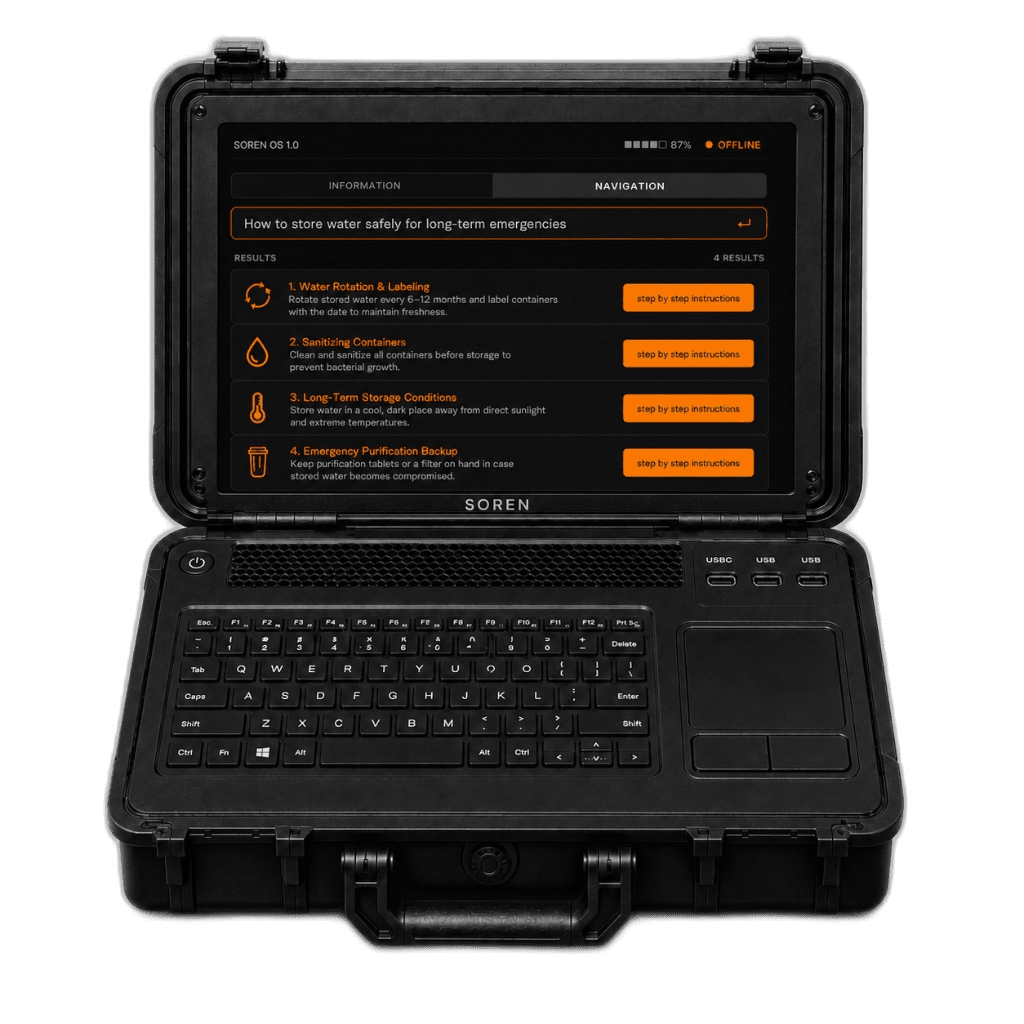
A portable computer built into a carryable kit, with display, keyboard, battery, and local storage.
Soren is a portable offline AI survival computer: rugged hardware with a screen, keyboard, battery, local AI search, and a curated emergency knowledge archive. It works without internet, cell service, cloud accounts, or a subscription.
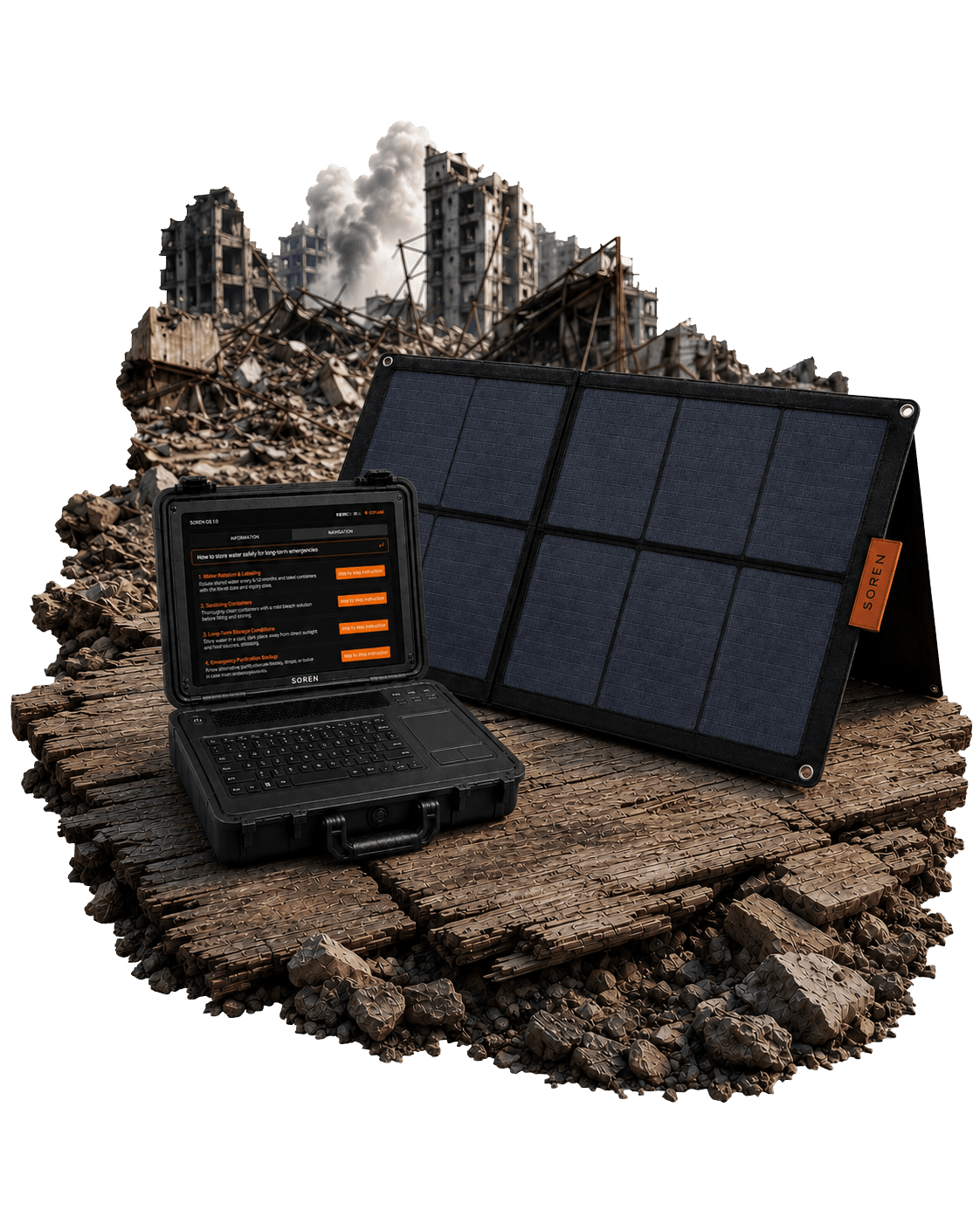
In plain English: it is a rugged device with a screen, keyboard, battery, local storage, and a searchable survival knowledge archive. You ask it questions when your phone, Wi-Fi, maps, apps, or cloud tools are unavailable.
A portable computer built into a carryable kit, with display, keyboard, battery, and local storage.
On-device search and response generation that runs locally instead of calling a cloud server.
Curated emergency knowledge for water, food, medical, repair, power, navigation, shelter, and communication.
Fast practical answers during outages, remote travel, infrastructure failure, or any moment normal access disappears.
Soren is built for the moment when you do not need inspiration. You need the next practical step, pulled from a local archive that still works.
How do I disinfect water with bleach, heat, or improvised filtration?
What should I do first for heavy bleeding when help is delayed?
How do I ration battery banks and safely charge from solar?
Which stored foods are still safe after heat exposure or outage?
How do I keep a room warm without creating carbon monoxide risk?
How do I diagnose a generator, pump, or basic circuit failure?
How do I navigate if GPS maps and cell towers are unavailable?
Which radio frequencies and message formats should I know?
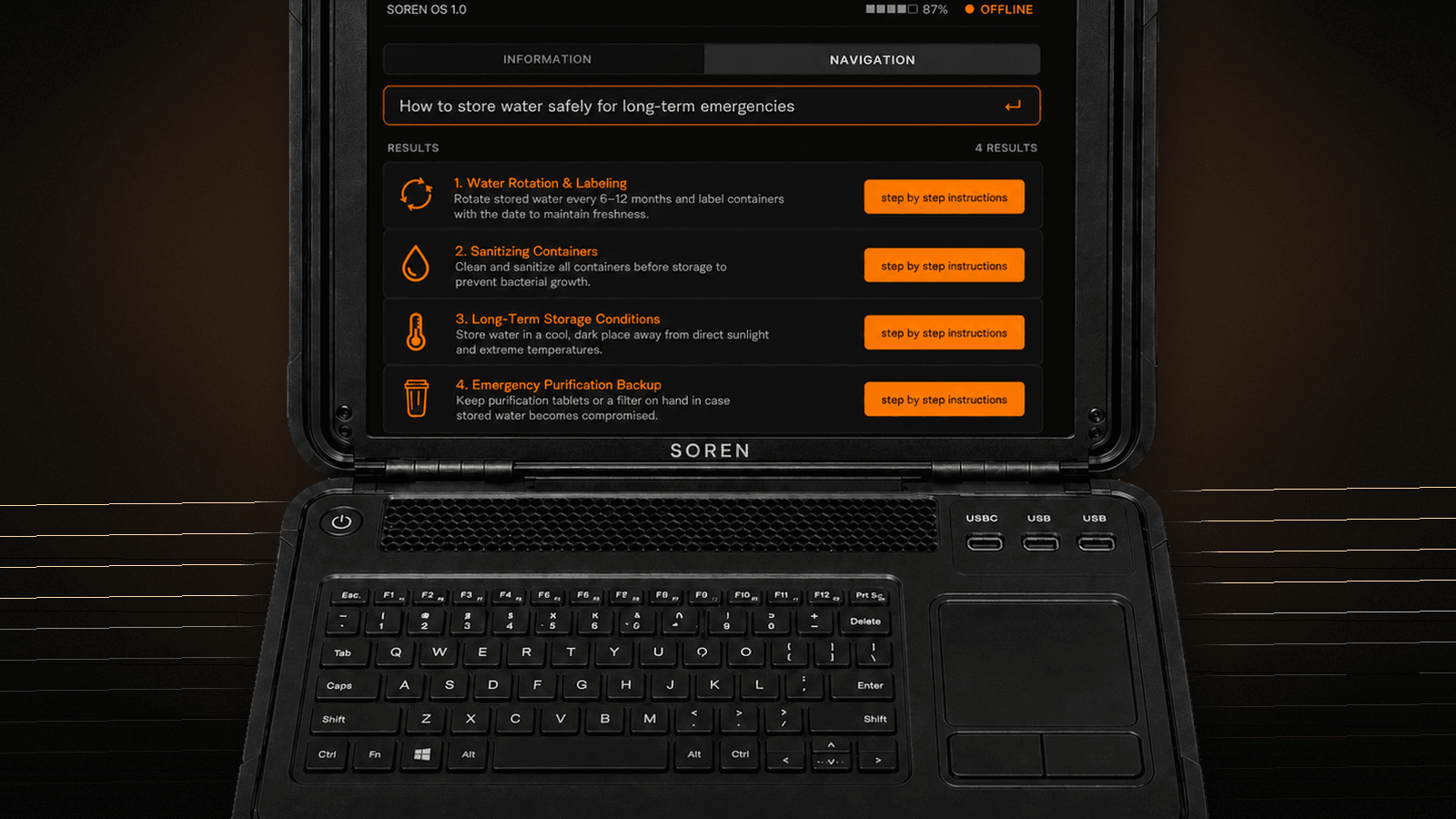
Soren is for the person everyone turns to when the room gets quiet, the lights stay off, and the usual answers stop loading. You are not buying another gadget. You are buying calm access to practical knowledge when people need you to think clearly.
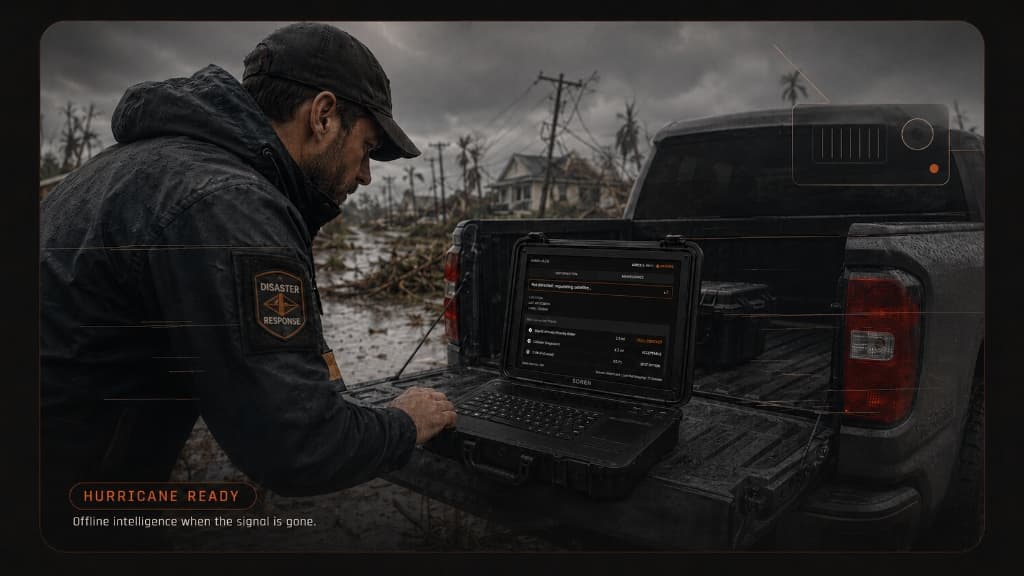
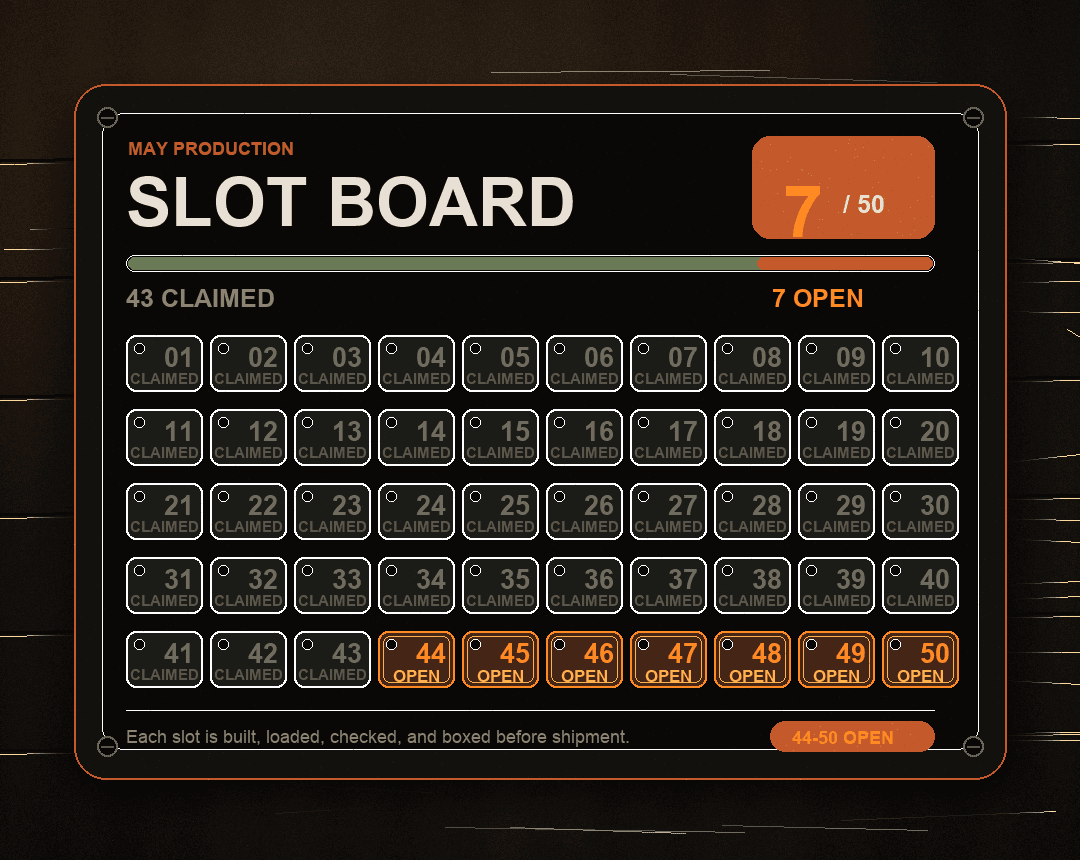
43 of 50 May Soren units are already claimed. We produce 50 units per month so each system can be built, loaded, and checked before shipment.
Soren is designed to work the day it arrives and years later without license pings, cloud sign-in, or account recovery.
Your questions stay on the device. No crisis query, location context, or household plan gets sent to a cloud service.
The archive, search, and inference layer run locally. Outage, remote land, cyber incident, or overloaded cell network: same workflow.
Reliable, but heavy, slow to search, and scattered across topics.
Useful until battery, signal, apps, or downloaded files fail you.
Powerful only while the infrastructure around it is still intact.
Portable, searchable, local, and purpose-built for degraded conditions.
Whether from a blackout, severe storm, wildfire, flood, cyberattack, or remote travel—when the connection drops, critical knowledge is lost.
Infrastructure is vulnerable. Regional blackouts and communications outages can instantly sever your connection to emergency protocols and survival guides.
In remote environments, there are no cell towers. You have zero access to the answers you depend on daily when traveling far off-grid.
Most people can't perform basic trauma care, purify radioactive water, or navigate without GPS. The knowledge exists, but only on servers you can no longer reach.
"When access disappears, most people don't know what to do."
Soren combines rugged hardware, local AI search, and a structured emergency knowledge library so you can get real answers when the tools you normally depend on are gone.
Portable hardware with screen, keyboard, battery, compute, and local storage.
Search and response generation happen on the device. No server round-trip.
Verified, actionable information stored on an internal SSD.
No Wi-Fi. No 5G. No power grid required to operate.
The archive is organized for fast answers under stress: protocols, checklists, references, and repair logic structured around the problems people actually face when infrastructure gets unreliable.
Step-by-step emergency, water, shelter, and medical procedures.
Tables, ratios, diagnostics, medication notes, and field formulas.
Mechanical, power, plumbing, generator, and basic electrical guidance.
Household readiness, communication plans, and longer-duration resilience.
Soren combines a lightweight on-device language model with a curated, structured knowledge archive. The result is fast, reliable answers — no connection required.
Use the physical keyboard to enter any query — medical symptoms, repair procedures, water treatment, navigation methods.
Soren scans its on-device knowledge archive — structured by topic, verified by experts, indexed for fast retrieval. No internet round-trip.
You receive a clear, actionable response with source citations. Large text, high contrast, optimized for reading under stress.
Powered by a lightweight on-device language model and a curated knowledge archive verified by specialists. Answers are grounded in the local archive and shown with source references where available. Answers are drawn from structured, vetted sources.
Every component is purposefully selected for longevity, low power draw, and field serviceability.
Intel N100 mini PC architecture optimized for ultra-low power. Capable of running local AI search models instantly.
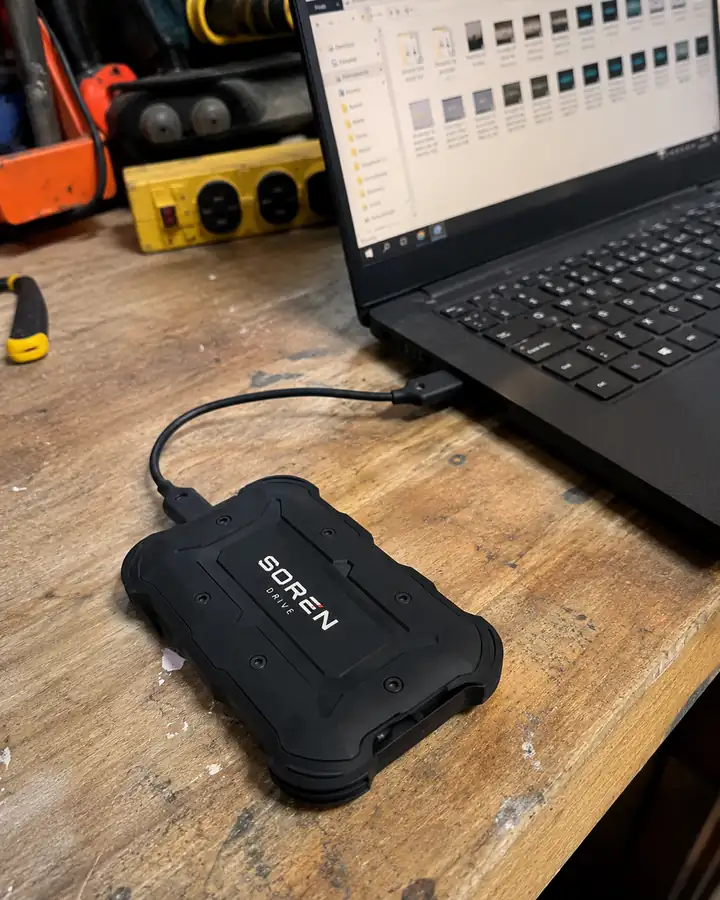
High-speed modular NVMe solid-state storage. Replaceable architecture for securing critical archives.
20,000mAh high-output lithium battery. Features dual power management: 72-hour endurance mode for database search, and 24-hour full capacity mode for LLM generation and GPS navigation.
Integrated 7–10” IPS display optimized for low-distraction. Wired compact physical keyboard interface.
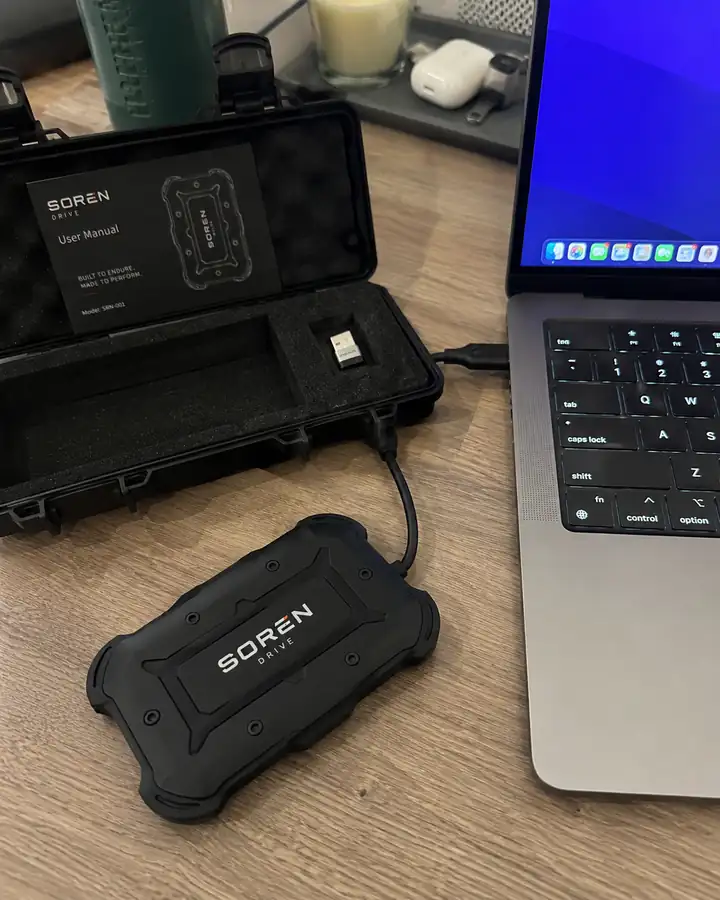
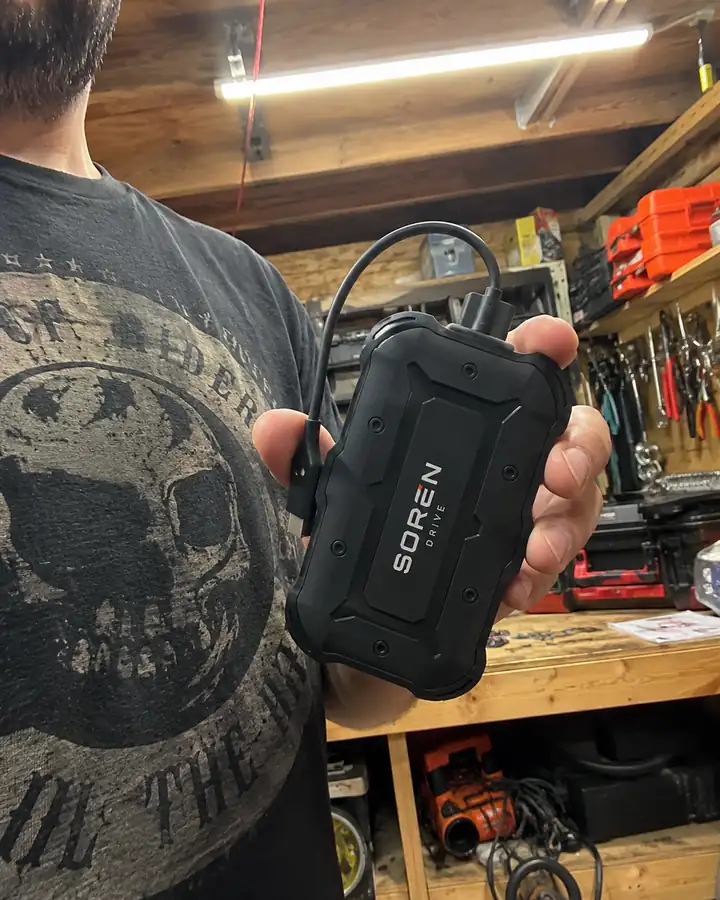
Rugged compact enclosure inside a transportable hard case. Modular internal layout for field serviceability.
Purpose-built to deliver offline survival intelligence during the scenarios you can't predict.
Instant access to repair, emergency, and technical protocols entirely independent of the internet.
Navigate and troubleshoot critical situations hundreds of miles from the nearest cellular signal.
Field medical references, water safety, and shelter construction guides—all instantly searchable.
Maintain deep agricultural, mechanical, and technical archives entirely decoupled from cloud dependencies.
Soren is not just hardware. It’s access to knowledge when access disappears.
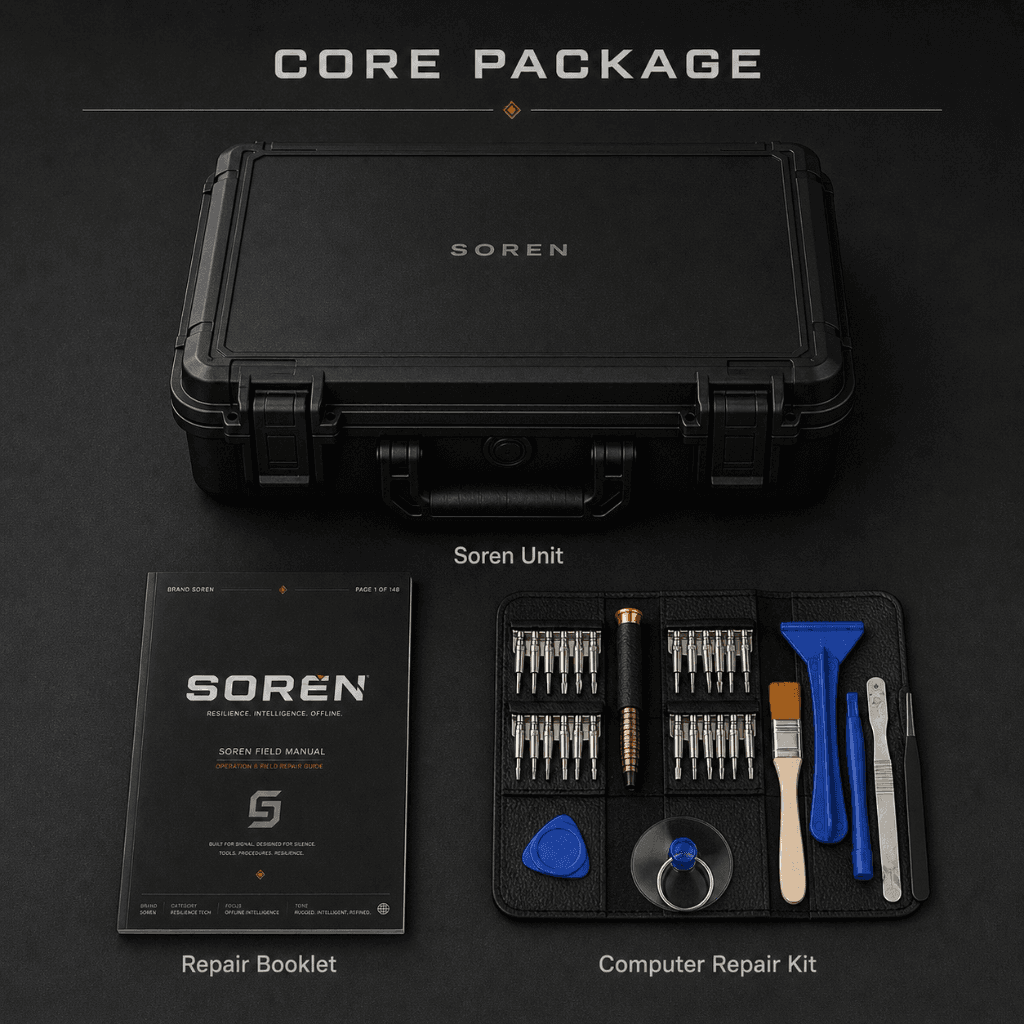
The foundation of offline survival.
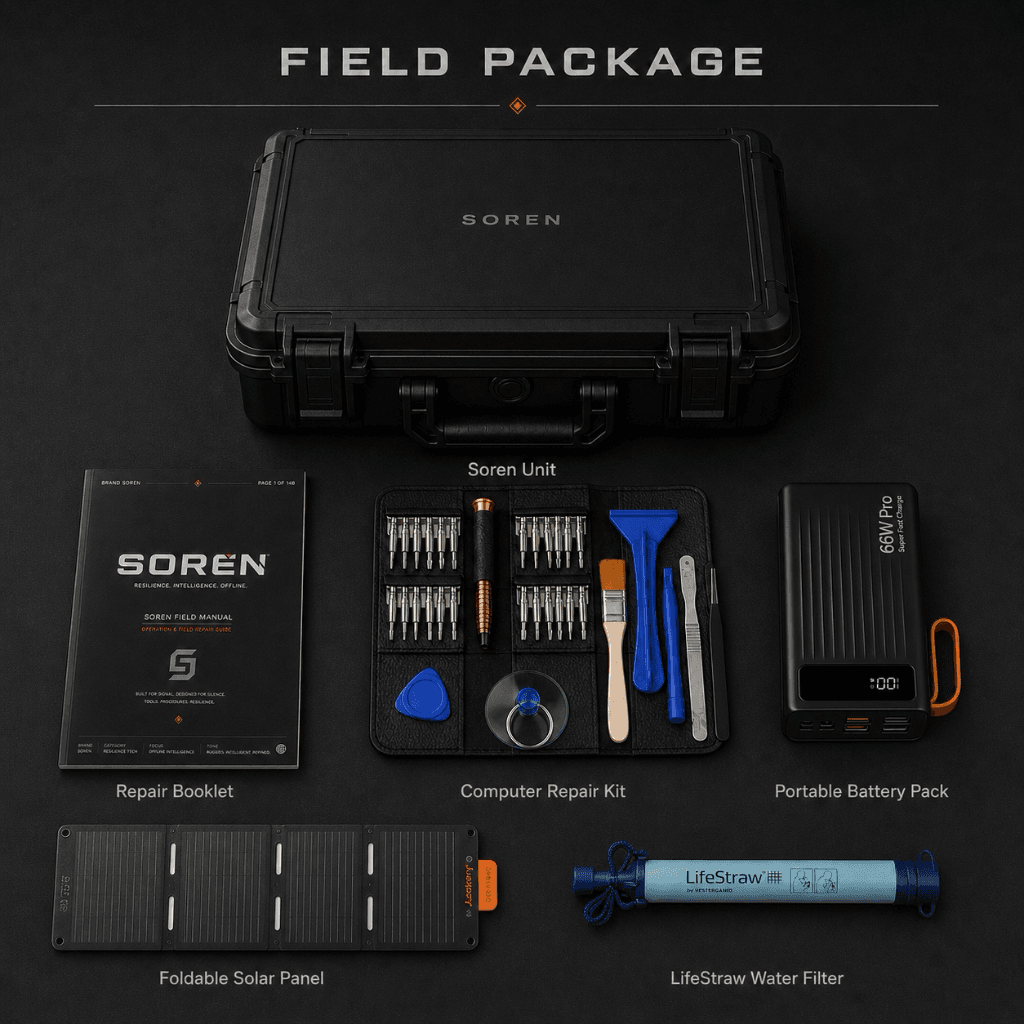
Extended usability for real conditions.
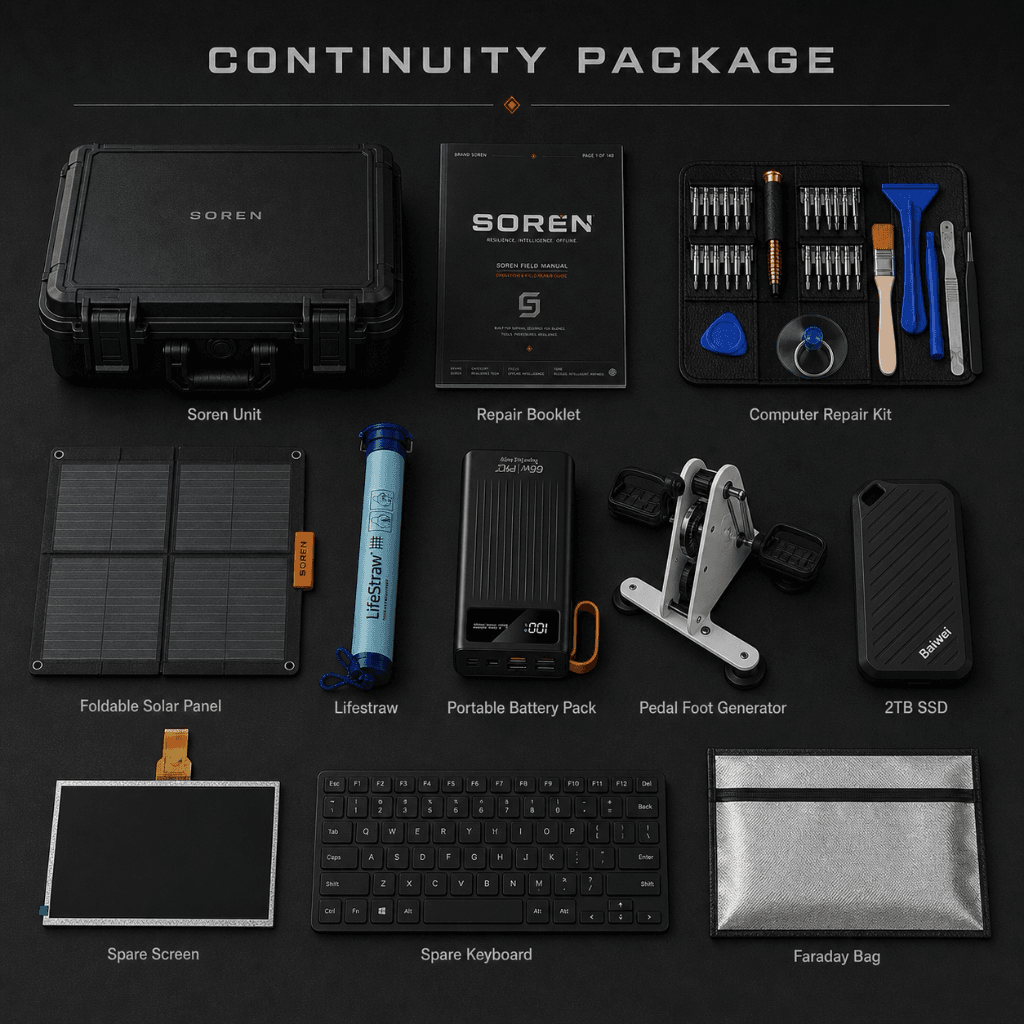
Total redundancy and backup.
The Soren archive is not a Wikipedia dump. Every category is curated, verified, structured for actionable retrieval under real conditions.
| Capability | Physical Books | Smartphone | Internet | SOREN |
|---|---|---|---|---|
| Works offline | ✓ | ~ | ✗ | ✓ |
| Searchable | ✗ | ~ | ✓ | ✓ |
| Structured & verified | ~ | ✗ | ✗ | ✓ |
| Covers all critical topics | ✗ | ~ | ✓ | ✓ |
| No power grid needed | ✓ | ✗ | ✗ | ✓ |
| Works under stress | ✗ | ~ | ✗ | ✓ |
| No subscription | ✓ | ✗ | ✗ | ✓ |
| Portable | ✗ | ✓ | ~ | ✓ |
~ = partially or conditionally
Soren isn't a device you store and forget. It's a capability you maintain — one that becomes essential the moment normal access disappears.
Grid fails for days, not hours. Soren has the information you need — generator repair, food preservation, medical reference — when your phone is dead and Wi-Fi is gone.
No signal. No maps. No cell service. Soren carries navigation protocols, wilderness medicine, and local hazard information without needing a tower within range.
When operating beyond the reach of cell towers, the people with actionable knowledge are the most valuable people in the room. Soren makes that person you.
Off-grid systems require constant maintenance knowledge. Water treatment, power systems, structural repair — Soren is the reference library that doesn't need a satellite dish.
A single Soren unit covers an entire household. Medical protocols, emergency procedures, food storage — available to anyone who can type a question.
Supply chain disruption. Communication outage. Systemic failures happen slowly, then rapidly. Soren is the constant in a scenario where every other variable is breaking down.



Every add-on is built around a single principle: Soren must keep working when everything around it has failed. The accessories below address the three things that kill capability — loss of power, electromagnetic attack, and physical damage.
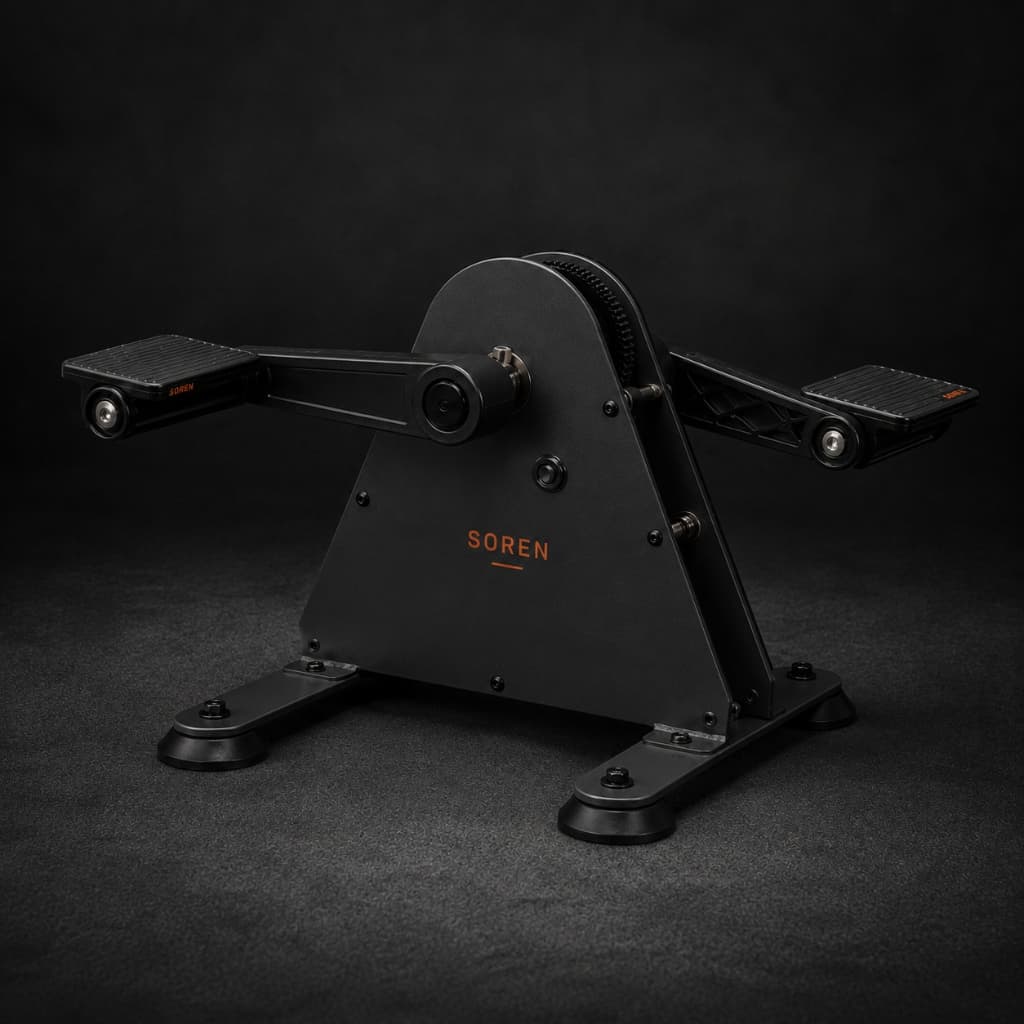
A compact human-powered backup charger built for outages and off-grid use. Charges Soren in about 90 minutes of pedalling. Stable, portable, and ready when sunlight is not available.
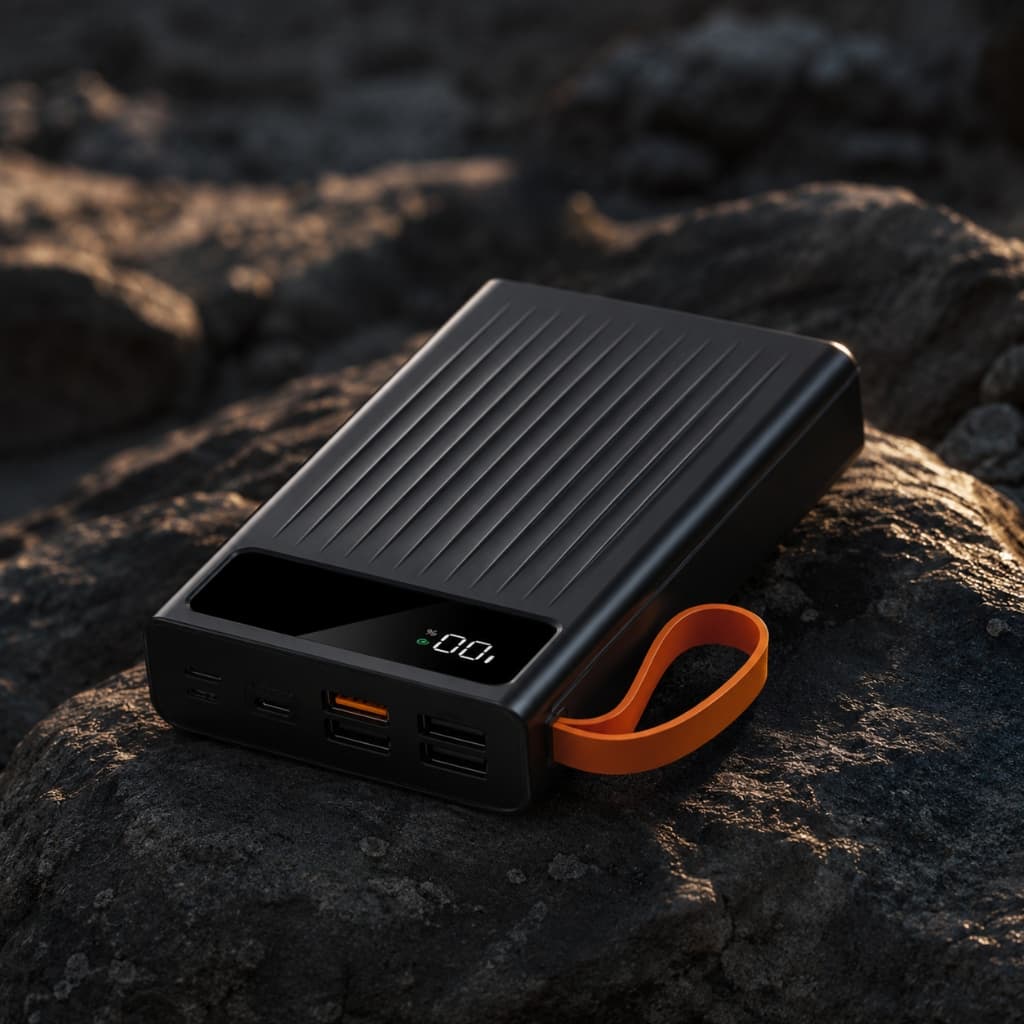
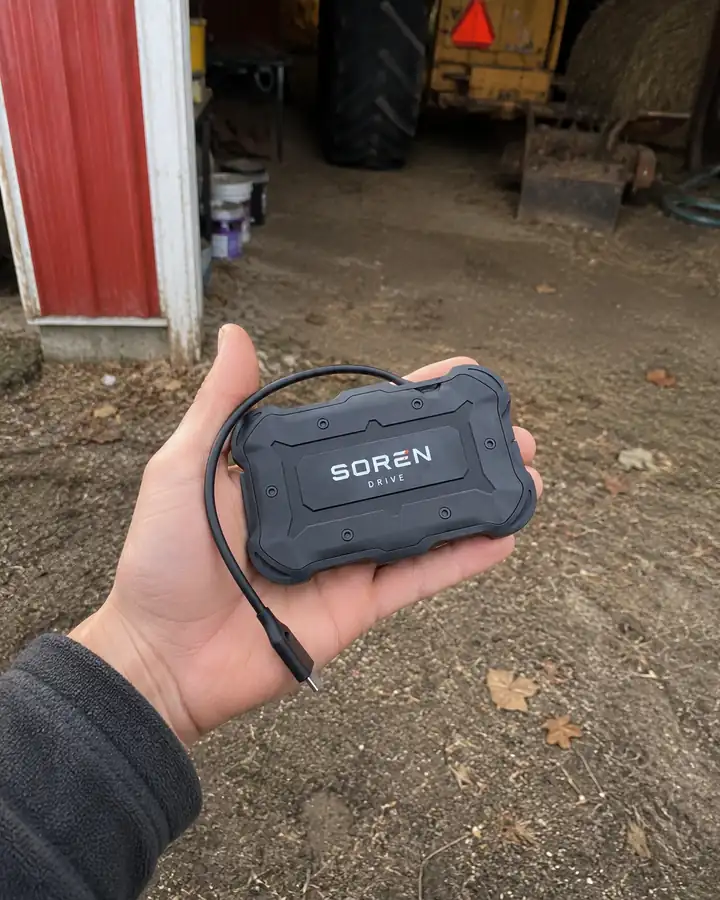
A compact 20,000mAh backup battery built for rapid field charging. Keeps Soren powered between charge cycles and gives you fast, portable reserve power when you need it most.
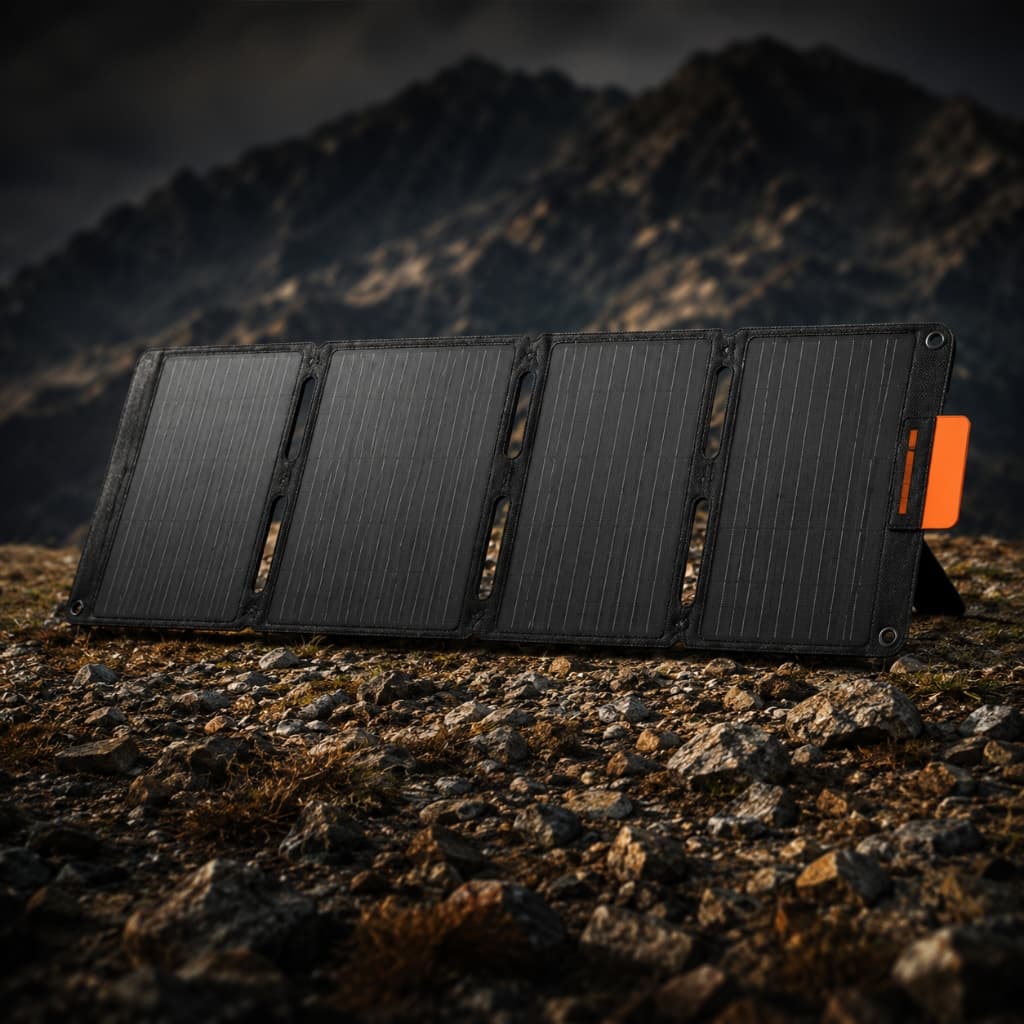
A high-efficiency, foldable solar array built for field use. Charges Soren in ideal conditions in 3-4 hours. Compact, weather-resistant, and ready to deploy wherever the grid ends.
Every function — search, inference, display — runs entirely on the device. No external request is ever made or required.
Engineered for extended runtime. ARM efficiency cores, low-draw display, aggressive sleep states. Designed to run for days, not hours.
Not a web scrape. Every piece of knowledge in the Soren archive is verified by domain specialists for accuracy and actionability.
Standard screws. Documented repair procedures. Replaceable battery. User-accessible SSD. Soren is designed to be maintained, not thrown away.
No activation servers. No license pings. No telemetry. Soren works the day you receive it and 10 years later, regardless of what has happened to the companies behind it.
We produce 50 Soren units per month. May units ship May 15th, and only 7 May build slots remain. Select the kit you want to continue.
$799
The essential offline intelligence system: local archive, battery, screen, keyboard, and no subscription.
$999
The practical deployment kit with expanded storage, protected carry, solar, and backup power.
$1,399
The redundancy-focused kit for longer disruptions, extra power, backup storage, and continuity gear.
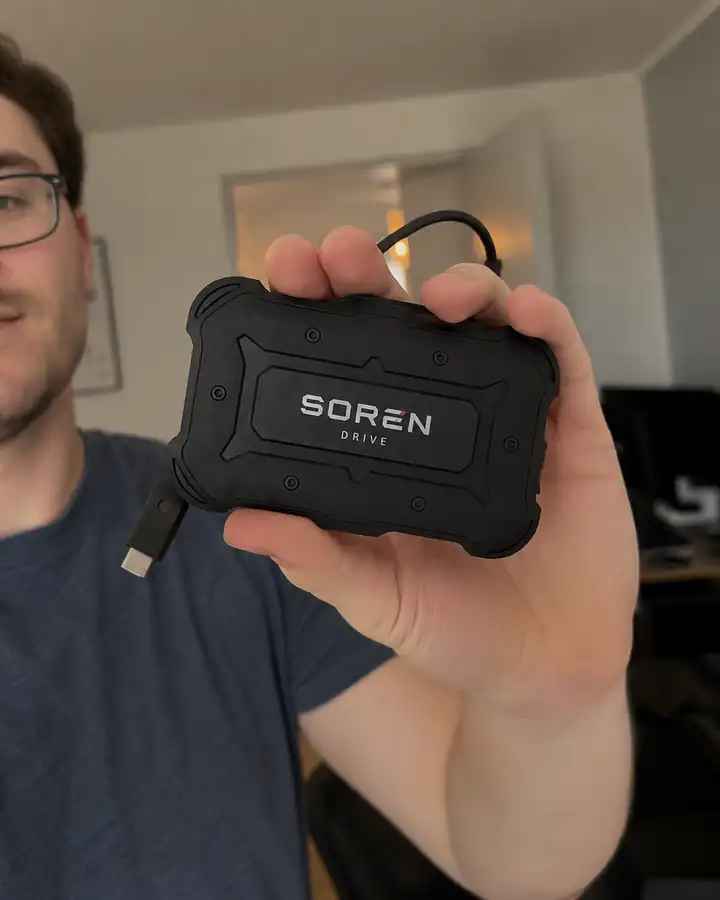
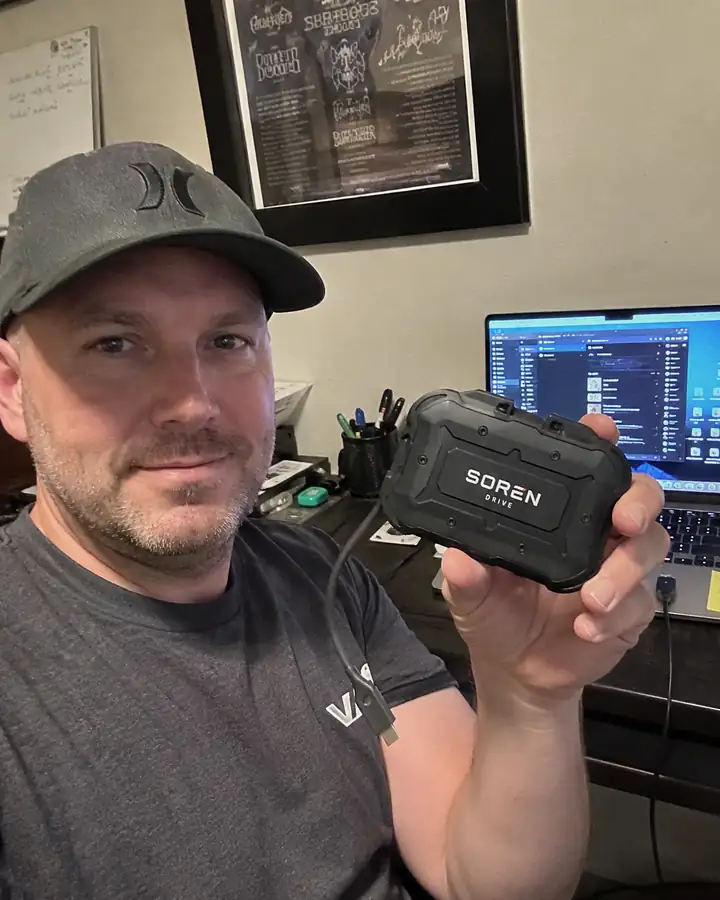
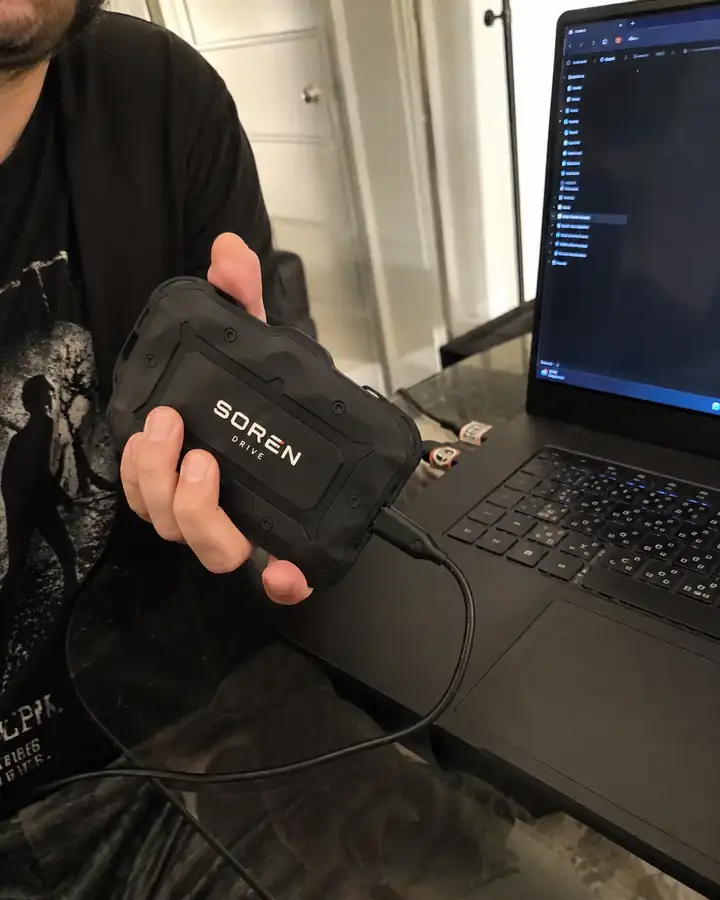
Prepared households, campers, boaters, travelers, and self-reliance people are adding SOREN Brain to the gear they already trust before they need it.
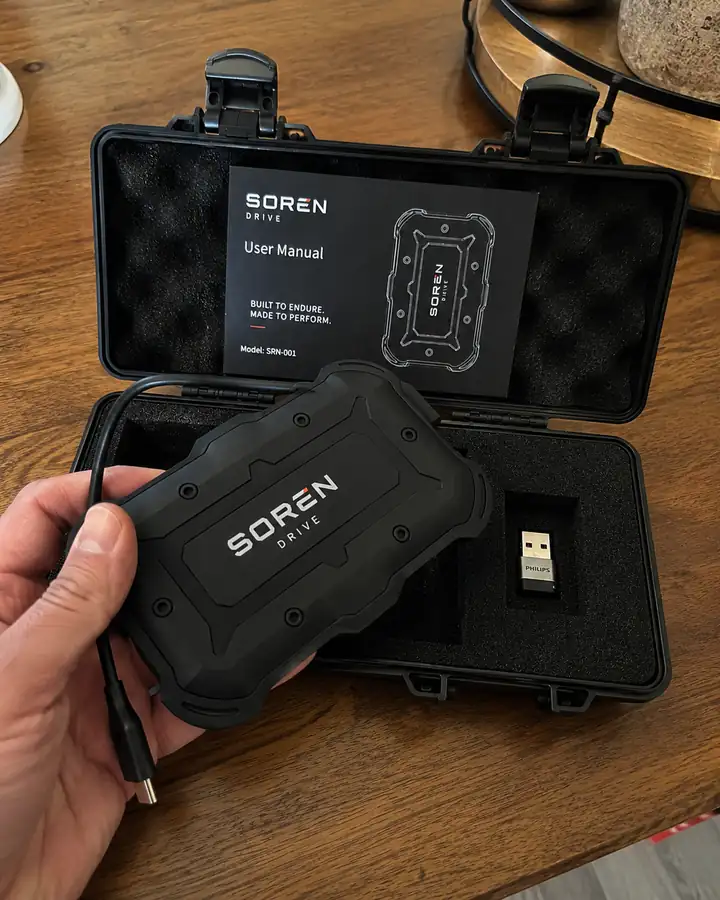
You may never need it. But if you do, nothing else will matter more.
Buy Soren50 units produced monthly. 7 May slots remain.